

Can I Use Jb Weld To Repair A Presaure Cooker Pot
0
How to Fix Cast Iron Without Welding
Concluding Updated on
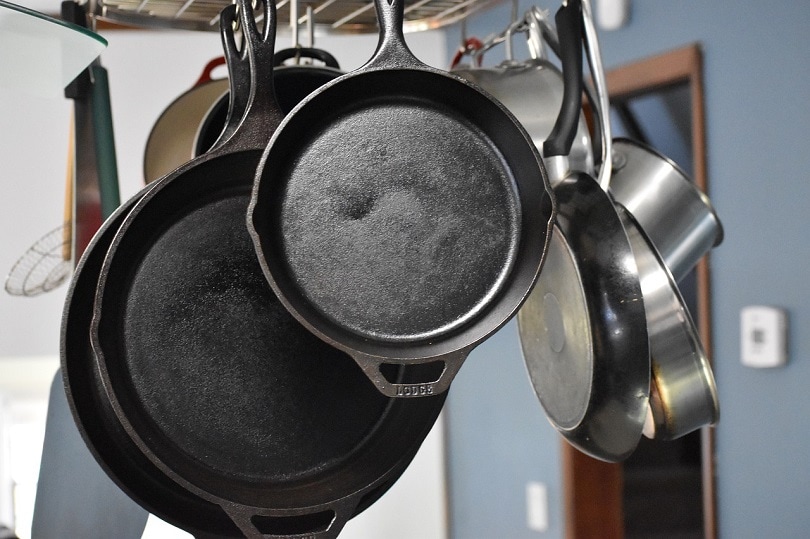
Cast fe is utilized in many industrial and household structures. It is a vital useful material used in a wide range of ways, from stoves to engines. By nature, cast iron is breakable. Withal, it tin can be susceptible to breaks and cracks if not well maintained. Cracks on cast iron may be brought near past thermal gradients, massive swings in temperature, and physical shocks resulting from dropping it on a rigid surface. It can be frustrating and stressful when your equipment made of cast iron cracks. Luckily, this tin can be fixed with less time and hassle.
Although you can fix cast fe pieces through welding techniques, information technology tin can be challenging every bit you could cease up causing further damage in the process. There are several ideal methods that y'all could utilize to repair bandage fe that does non require welding. Such techniques include brazing, the utilize of epoxy putty, and the use of cold metallic stitching.
It is recommended that you use ideal methods when repairing your cast iron pieces. Using the wrong technique could cause farther damage to your work, making it incommunicable to repair. Although welding is a commonly preferred method to join pieces of metallic, it may not be platonic for some cast atomic number 26 pieces requiring some technicalities.
This slice volition give you the much-needed insight into how y'all can fix cast iron pieces without welding.
Let's get to it.
How to Fix Cast Iron Through Cold Metal Stitching
Cold metal stitching is ideal for fixing cracked cast iron that cannot exist repaired via conventional methods, such every bit welding. This technique implements specialized inserts that connect damaged metal regardless of the nature of the crack. The unlike pieces of the cast iron separated past the crack are laced up through common cold metal stitching.
Cold metal stitching is a pop method, and it is an ideal repair solution for structures that cannot hands exist replaced or dismantled. Construction workers can also use this method to restore former buildings to preserve the original builder and handiwork.
Unlike welding, this method is also suitable for repairing ships and railway road locomotives. When the ship'southward engine blocks, rather than replace it with a new one, yous tin utilise the cold metal switching to mend it. This procedure is pop in construction, automotive industries, mining, large engine mechanism, transportation, and many other essential applications.
The following is a pace-by-stride procedure on how you can repair cast iron by cold metallic stitching.
1. Diagnosis of the Cast Atomic number 26 Crack
Credit: Bluesnap, Pixabay
Considering the crack in question is the first step in the process of common cold stitching. This method is platonic for cast iron pieces with a thickness of 3/16 inches up to 1 pes. The length of the fissure does not matter. The nature of the crack will determine whether it tin be fixed or you need to create some other iron cast piece entirely.
2. Drilling of the Holes
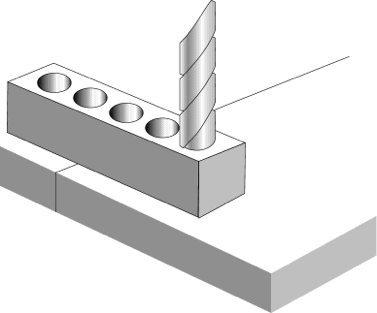
Image credit: Metalock International Association, Wikimedia Eatables CC four.0
The second step in the cold metal stitching process is drilling holes along the scissure. The holes should be spaced out at regular specified intervals. For all-time results, a guide is recommended for authentic drilling of the holes along the crack. The set up of the holes should not necessarily take the same number in total. The thought is to make stitching points that are potent to hold the cracked cast iron together.
three. Joining the Rows of Holes
Prototype credit: Jpmort, Wikimedia Commons CC 4.0
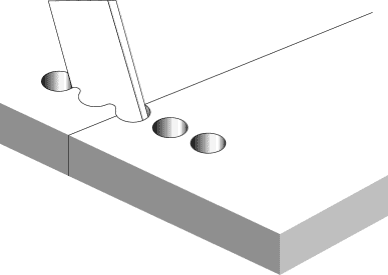
After drilling the stitching holes, you will then be required to join them together. To strengthen the cracked bandage iron, the holes volition make it straightforward to insert the keys. You will need a behemothic chisel to join the holes without creating a slot in the metal. The round shoulders of the holes that have been drilled will serve as holding points when the keys have been inserted. It is vital to maintain the outer bore of the drilled holes while nonetheless joining them.
4. Inserting the Metal Stitches or the Metallic Keys
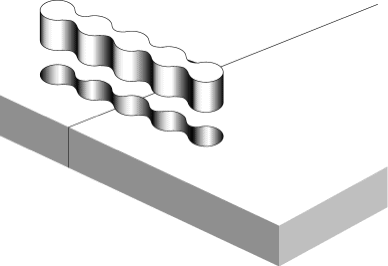
Paradigm credit: Jpmort, Wikimedia Commons CC four.0
The near vital component of this process is the metallic keys. They offer the forcefulness required in holding the cracked parts together later on the repair. High-forcefulness metal is significant in cold metal stitching. Otherwise, you will take to repeat the procedure as information technology may be ineffective.
Ideally, the drilled holes in the offset step should be of the same length as the metal keys. By doing this, the metallic keys will add much-needed force across the entire surface of the cast iron, thus preventing further cracks from occurring. At that place should be a snug fit between the drilled holes and the metallic keys to create a solid bond. There should be no play between the metallic keys and the original piece.
When there is backlog cloth from the original part surface, you should not worry about dealing with the excess materials through the finishing process.
- Encounter also: How to Repair Wrought Fe without Welding
v. Sewing the Stitches Together

Image credit: Jpmort, Wikimedia Eatables
It's not enough to depend on the inserted metal keys in the cracked cast iron piece. This is because they may non exist strong plenty to withstand intense pressure and heat; thus, they may break. Thus, you volition demand to connect screws betwixt the metal keys. Put them relatively close to the neighboring screws and the metal stitching keys that you have installed. The bond between the repaired metal and the croaky bandage atomic number 26 can be more than robust afterward tightening the stitches.
Just as with the metallic keys, information technology's okay if in that location is excess metal that may exist sticking up from the screws that have been installed. The backlog material will come in handy when finishing the surface; information technology volition appear every bit one whole cast fe slice. Lining up the flush with the original bandage iron piece'due south surface will help eliminate weak spots and the reoccurring fissure chances.
half-dozen. Removing the Excess Material
The final pace of the cold metal stitching procedure involves chiseling abroad the excess material from the stitching screws and the metal keys yous've inserted. Using the chisel, remove as much metal material as you lot can. A tool for grinding is and so used to sand the residue down. Refinishing is vital equally information technology helps to restore the bandage atomic number 26 slice as it was initially. The evidence of repair must be hidden beneath the excess metal for a make clean outlook.
Apply of Epoxy Putty to Repair Croaky Cast Atomic number 26
Proper maintenance of your cast iron pieces should be done to prevent them from easily slap-up. It would exist all-time if y'all also kept it nether dry conditions to forbid it from rusting. Nonetheless, should whatsoever cracks occur, you can set up the cast iron pieces using epoxy putty using the post-obit step by pace procedure.
- First, buy epoxy putties such as Quick Steel or JB Weld at your local hardware store. These two types of epoxies will serve as gum and volition adhere to bandage atomic number 26 and fill up the scissure with a safe seal.
- Using 80-grit sandpaper, sand the bandage fe to remove any pigment and rust that might be covering the cleft. To avoid widening the crack, use back and forth move instead of circular movements. This process helps clean the iron cast surface past removing substances on top of the crevice.
- Using a rag, water, and lather, thoroughly make clean the cracks and the surface area. Before continuing, allow the cast iron to dry.
- While following the instructions of the manufacturer, stir the epoxy. Onto a apartment surface, clasp some out. Y'all may employ a putty knife and a flake of paper-thin to mix it.
- The mixture of the putty is then spread into and over the croaky cast iron. You should ensure that you scrape off the backlog mix using a putty knife before it dries. It is recommended that you wait for 24 hours before handling the repaired bandage fe.
- The final step in repairing cast fe pieces with epoxy putty is painting over the sealed crack. This helps to enhance durability and ensure that the repaired cracked part matches the remainder of the bandage iron slice.
- Meet also: How to Fill Holes in Metal without Welding (Quick & Easy)
Utilise of Brazing to Fix Cracked Cast Atomic number 26
Although cast fe is a rigid textile, it is decumbent to breaks and cracks. Another effective way the cracks can be stock-still without welding is brazing. Unlike the traditional welding technique used to repair metallic items, brazing uses minimal heat to fix your bandage atomic number 26 pieces. This technique is ordinarily used to correct cracks on cast iron items.
The following is a step by footstep guideline on how you can fix croaky bandage atomic number 26 piece through the brazing method.
- A filler rod is selected depending on the application of the role of the cast iron. Filler bars that are used for brazing of cast iron are often made from brass or nickel. Some fabricators and metalwork specialists use filler confined with flux, while others prefer dissimilar flux during brazing.
- After choosing your preferred filler bar, yous must fix the fissure surface on the cast iron piece. Earlier brazing, the surface of the scissure must exist thoroughly cleaned to remove oxides and impurities. Using a grinder, the crevice surface should be footing out to form a cross-section that is U-shaped. This process allows the brazing material to avert stress concentrations and fully catamenia into the crack.
- A stainless steel castor should be used to brush the ground area after grinding the cast iron piece. This procedure helps to ensure that any particulate that was left later grinding is removed.
- The cast iron part is then supposed to be heated. Attempting to use a brazing torch on the bandage iron's cooler parts may cause farther warping and cracking. Thus, other types of heat sources such as a weed burner, an oven, or a gas grill tin can be used to slowly rut the bandage iron part.
- The piece of the bandage iron is and so placed onto a work surface and braced if necessary. During the brazing process, some significant parts may need heating, especially if the crevice is substantial, and the process of brazing may take time. To maintain the temperature of the slice, it is recommended that you lot apply an external heater.
- You lot are then required to oestrus the crevice's surface past using a brazing torch to the betoken that information technology turns to bright red. The filler rod is and then placed onto the fissure surface. For an effective brazing process, it is recommended that the surface temperature exist extremely hot to enable the cloth of the filler bar to flow into the crack hands. While progressing down the cleft, yous may utilize the brazing torch to maintain the local temperature.
- Finally, place the repaired part into a container full of sand and encompass information technology entirely with sand. After the brazing procedure, the fixed amount of the cast iron should exist cooled very slowly. The cast iron may fissure if it's left out in the air to cool down. It is recommended that you leave the repaired part for at least one day in the sand and longer if the domain is significant.
How to Prepare Bout Cracked Cast Fe Piece Before Repairing Information technology
Buying a new cast iron piece may be costly; thus, you should consider repairing information technology. Once you lot decide to repair your cast fe, regardless of the methods mentioned above that yous may want to apply, y'all should thoroughly clean it to eliminate clay, grease, and oxides.
The post-obit is a guideline on how you lot could clean cast fe pieces before fixing them.
Apart from neat, your cast iron items may go rusty or burnt. If your cast iron piece is burnt, y'all could showtime start by spilling salt on its surface. You tin can use a scrub or a soft brush to cleanse the surface. For more effective cleaning, it is ideal that you use a clammy brush. However, you should use a plastic scraper if the burn is stubborn to eliminate burnt substances on the surface.
If your bandage iron piece is rusty, you may utilize a scrub and detergent to get rid of the rust. The rust could damage your cast fe detail if non eliminated on fourth dimension. Seasoning may too be a remedy if the rusty levels are high.
Supposing your cast atomic number 26 detail that has croaky is discolored, you may thoroughly scrub information technology with steel wool to remove any particles on it. This helps to eliminate whatsoever traces of dirt on your metal piece. After scrubbing, wash your piece with soap and warm h2o and leave information technology to dry. The color of your cast atomic number 26 piece will be restored.
After your iron bandage piece is make clean and dry, you could grind it to eliminate defects such as porosity, making the croaky surface ready for repair.
Bottom Line
Cracked cast iron is not the end of your piece; you can quickly repair it and restore it to its functionality. You practise not necessarily need to use welding. Some of the methods you could use to gear up it include epoxy putty, cold metal stitching, and metal brazing following the procedures discussed above. With this, now you can get upwards and restore your cracked cast iron finer.
If you need to practise other bonding work without welding, cheque out some of our other how-to guides below:
- How to Supercede Rocker Panels Without Welding
- How to Bail Metal to Metal Without Welding
- How to Make full Holes in Metal without Welding (Quick & Easy)
Featured Image Credit: Ernest_Roy, Pixabay
- How to Set up Cast Iron Through Cold Metal Stitching
- 1. Diagnosis of the Cast Iron Crack
- 2. Drilling of the Holes
- 3. Joining the Rows of Holes
- 4. Inserting the Metallic Stitches or the Metal Keys
- 5. Sewing the Stitches Together
- 6. Removing the Excess Material
- Employ of Epoxy Putty to Repair Cracked Bandage Fe
- Apply of Brazing to Fix Cracked Bandage Iron
- How to Set up Bout Croaky Cast Iron Piece Before Repairing Information technology
- Bottom Line

Cameron Dekker
Cameron grew up in Allentown, Pennsylvania, a in one case-proud steel town on the Lehigh River, where he got a gustation of TIG welding in his loftier schoolhouse shop class. He holds certificates for Certified WeldingEducator (CWE) and Certified Resistance Welding Technician (CRWT) from the American Welding Plant. His interests include scuba diving, sculpture, and kayaking.

Can I Use Jb Weld To Repair A Presaure Cooker Pot,
Source: https://waterwelders.com/how-to-fix-cast-iron-without-welding/
Posted by: camposhandrey.blogspot.com
0 Response to "Can I Use Jb Weld To Repair A Presaure Cooker Pot"
Post a Comment